Individuals & Families

About Us
Proudly One of America’s Best Insurance Companies
Learn More Claims
Claim Center
We're in the business of helping people, providing prompt and personal claims service when you need us the most.
Call 877-242-2544 anytime, day or night, to report claims. You may also contact your independent agent to report a claim.
Submit a Claim- Personal & Business ClaimsLearn More
- Life ClaimsLearn More
- Workers' Compensation ClaimsLearn More
Insurance Resources
Plan & Protect
Reduce risks and enjoy peace of mind with these tips and insights to protect what matters most.
Severe Weather
Individuals & Families
Insurance Insights
Winter Car Prep and Driving Safety
Winter
December 19, 2025
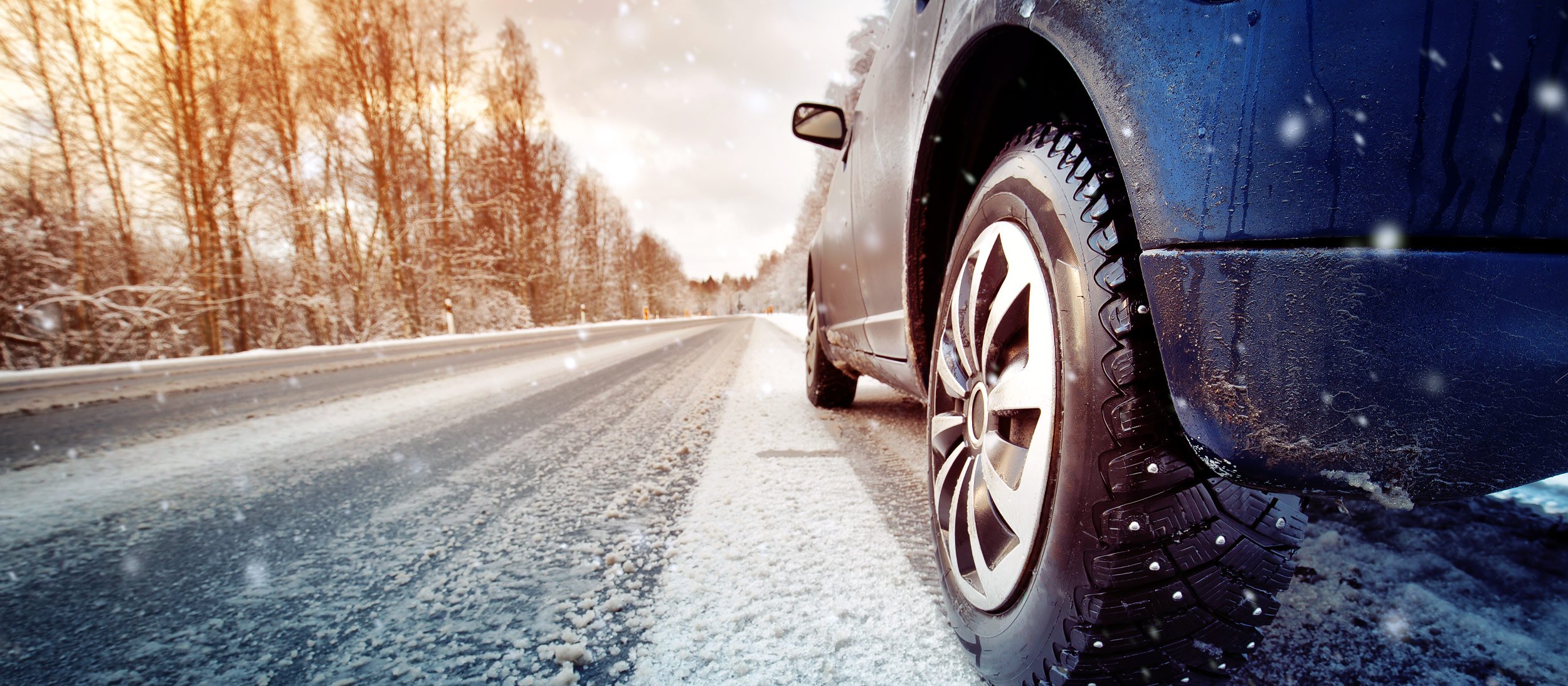
Stay prepared with smart strategies for winter road safety.
Taking precautions before winter travel can help you make it to your destination safely and prepare you in the event you become stranded in your vehicle. Before heading out into bad weather, consider if driving is absolutely necessary. If you do drive, here are a few things to keep in mind.
Keep in Mind Your Travel Time
Travel times may be longer than you’re used to during bad winter weather. Remember that, should you become stranded, you may need your car for heat so keep the gas tank full, or your electric vehicle fully charged.
Tell Friends or Family Which Route You're Taking
While smartphones offer drivers a sense of security, location services are not always accurate and cell service is not always available, depending on the cell tower and other variables.
Service Your Vehicle
Be sure to keep your car in tune this winter. Oftentimes, this means visiting a mechanic to check your car and ensure everything is in working order. The Federal Emergency Management Agency provides a checklist you should have your mechanic review to help prevent a vehicle emergency.
Keep an Emergency Kit in your Car
Once you have the essentials, think about any unique needs for yourself or your family such as medications.
While on the Road
- Drive 5 miles per hour below the speed you think is safe.
- Do not use cruise control in slippery conditions. If you lose traction or start to skid, the cruise control will accelerate to maintain your vehicle’s speed, causing your tires to spin faster.
- Keep your phone on the charger to maximize the likelihood that it will operate when you need it.
Watch Out for Pedestrians
Winter weather doesn’t only pose an increased threat to drivers, but to pedestrians too. Snow and ice can make it difficult to maintain footing. With fewer safe places to walk, people may be pushed closer to the cars and trucks on the road.
Drivers must remain extra cautious. In addition to being aware of pedestrians’ increased likelihood of slipping or falling, remember other conditions that could affect visibility:
- Reduced daylight hours can make pedestrians, especially those without reflective clothing, more difficult to see.
- Failure to adequately clear all vehicle windows could put you in a “winter tunnel” with limits on side vision.
If you Become Stranded
If you become stranded, it’s better in most cases to stay with your car and let rescuers find you. Keep your phone plugged in and fully charged during your trip to better ensure it operates when needed. But if your smartphone location sharing lets you down, your preparations can keep you safe and comfortable while you wait for help. If you are broken down or stuck in your vehicle in a winter storm, stay put and wait for help. Consider these tips from the Montana Department of Transportation:
- Keep calm
- Indicate to others that you are in trouble if you are on a well-traveled road – Use the signaling devices in your survival kit, emergency lights on your vehicle or raise the hood and tie something bright to your antenna.
- Remain in your vehicle unless you see a house or building within walking distance
- Run the engine to keep warm, but do it sparingly
- Check the exhaust pipe of your car to ensure snow has not blocked it, helping prevent carbon monoxide poisoning
- Exercise, clap your hands, move your arms and legs vigorously or do other isometric exercises to keep your circulation going
- Take turns on watch if possible
- Stay awake if you are alone
- Ensure other drivers can see you if you are pulled over – Use hazard lights or auxiliary warning devices such as reflective triangles or flares; place the first one 10 feet from your car, the second 100 feet away and the third 200 feet away. On an undivided road, put one triangle 100 feet in front of your car, one 10 feet behind and another 100 feet behind.
This loss control information is advisory only. The author assumes no responsibility for management or control of loss control activities. Not all exposures are identified in this article. Contact your local, independent insurance agent for coverage advice and policy service.