Individuals & Families

About Us
Proudly One of America’s Best Insurance Companies
Learn More Claims
Claim Center
We're in the business of helping people, providing prompt and personal claims service when you need us the most.
Call 877-242-2544 anytime, day or night, to report claims. You may also contact your independent agent to report a claim.
Submit a Claim- Personal & Business ClaimsLearn More
- Life ClaimsLearn More
- Workers' Compensation ClaimsLearn More
Insurance Resources
Plan & Protect
Reduce risks and enjoy peace of mind with these tips and insights to protect what matters most.
Severe Weather
Individuals & Families
Insurance Insights
Keep Your Fire Protection System From Freezing
Winter
November 7, 2025
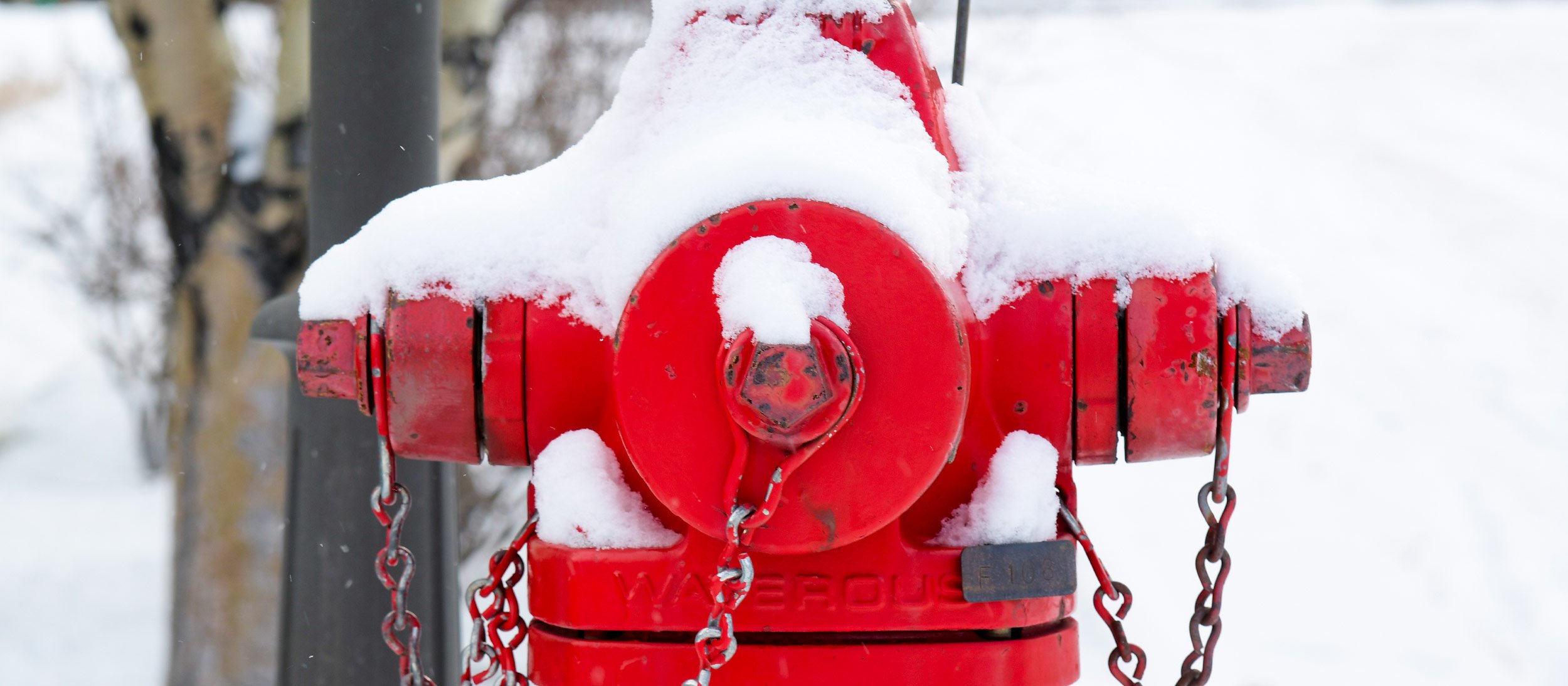
Fire protection equipment – like sprinkler systems – are especially vulnerable when arctic temperatures affect a building.
If pipes freeze, a business or school could be forced to close temporarily if safe conditions cannot be assured. Certain types of buildings and occupancies are more susceptible to extreme cold, and when they do experience a freeze, the damage can be greater than in other types of buildings.
For buildings designed to make use of the heat generated by its human occupants, long periods of vacancy during extreme cold can cause temperatures to drop below freezing. In addition to the lack of protection, failure or disruption of these important fire protection systems can also be expensive to repair.
Especially Vulnerable Buildings
Churches, schools and multi-tenant mercantile buildings are especially at risk when they are unoccupied for several days at a time, especially during a holiday break or recess.
Fire protection equipment – including water mains, extinguishers, hydrants, sprinkler systems and post indicator valves – can be extremely vulnerable to drops in temperature during severe winter weather. Post indicator valves are the cast iron vertical indicator posts designed to operate the control valve of an automatic fire sprinkler system. If a fire occurs, frozen equipment could result in insufficient means to contain the fire.
What You Can Do To Protect Your Property
- Verify that all fire protection equipment is operating effectively.
- If fire protection equipment is brought offline or damaged, have a qualified fire protection contractor repair the system and place it back into service.
- Maintain a minimum temperature of at least 40 degrees Fahrenheit in buildings that have wet pipe sprinkler systems to prevent pipes from freezing. If this cannot be reasonably accomplished, consult with your fire sprinkler contractor about options such as converting system to a dry-pipe or installing an antifreeze loop.
- Provide heat for dry-pipe sprinkler system enclosures. Use mounted thermostatically controlled heaters that are in good operating condition.
- Plan for maintenance personnel to manage and monitor buildings during cold snaps, making frequent visits to buildings or areas of buildings not normally occupied.
- Be certain that hydrants and their locations are properly marked so they may be easily located and cleared after a heavy snowstorm.
- Inspect all areas along the perimeter of the building to ensure they are sealed and there are no drafty areas.
- Drain wall hydrants and fire pump test connections that may be exposed to freezing.
- Check packing on post indicator control valves for leaking, and repair as necessary.
- Make certain when the fire pump suction is from a reservoir, that the in-flow pipe is below the frost level (below grade) and deep enough in the water to prevent ice clogging the intake.
- Test solutions in all anti-freeze sprinkler systems and add anti-freeze as necessary.
- Inspect and maintain all sprinkler systems in accordance with National Fire Protection Association (NFPA 13) and local standards.
This loss control information is advisory only. The author assumes no responsibility for management or control of loss control activities. Not all exposures are identified in this article. Contact your local, independent insurance agent for coverage advice and policy service.