Individuals & Families

About Us
Proudly One of America’s Best Insurance Companies
Learn More Claims
Claim Center
We're in the business of helping people, providing prompt and personal claims service when you need us the most.
Call 877-242-2544 anytime, day or night, to report claims. You may also contact your independent agent to report a claim.
Submit a Claim- Personal & Business ClaimsLearn More
- Life ClaimsLearn More
- Workers' Compensation ClaimsLearn More
Insurance Resources
Plan & Protect
Reduce risks and enjoy peace of mind with these tips and insights to protect what matters most.
Severe Weather
Individuals & Families
Insurance Insights
Protect Your Vent Openings During a Wildfire
Wildfire
November 1, 2025
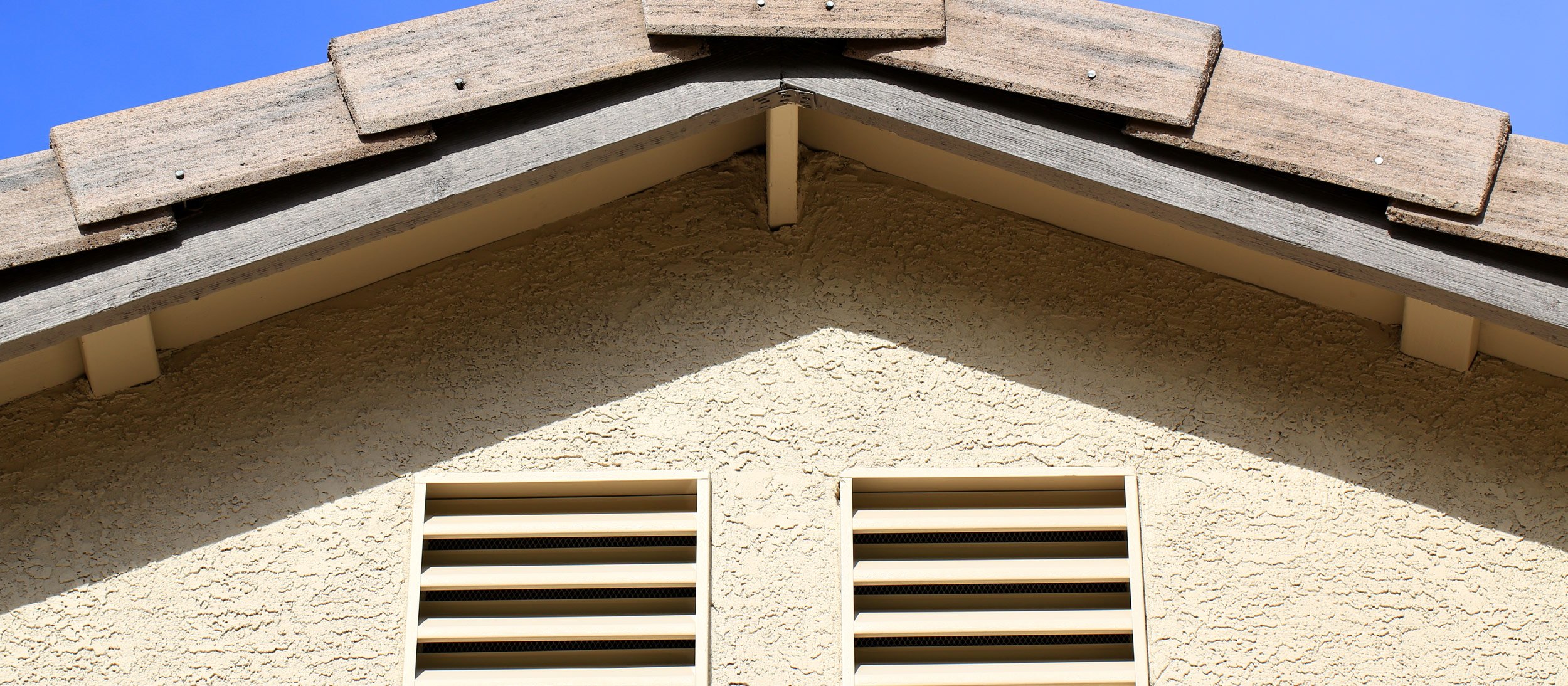
Mitigating the risk of ember intrusion helps prevent a home burning from the inside out.
A home can face many threats during a wind-driven wildfire, including ignition caused by wind-borne embers entering through vent openings. The Insurance Institute for Business and Home Safety states that wind-blown embers are the principal cause of building ignitions.
As more homes are being built in the wildland-urban interface, an area where developed land meets undeveloped vegetation, it’s important for homeowners in these areas to understand the risks associated with wind-driven wildfire. The wildland area provides additional fuel for wildfires, which can further increase a home’s risk of ignition from wind-blown embers.
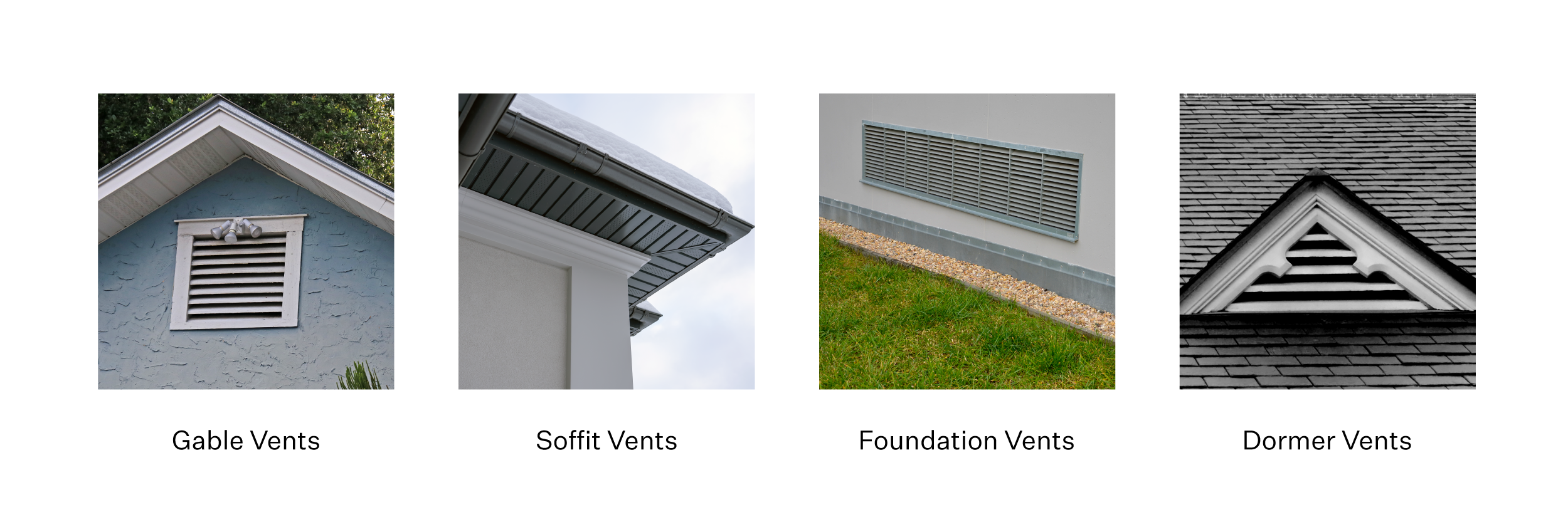
Vent openings provide a space for wind-blown embers to enter and potentially start a fire inside of the home. A typical single-family home can have vents incorporated into the house’s roof, attic and foundation system.
Typical Vent Types in Single-Family Homes
Practical Way to Prepare Existing Vents for a Wildfire
For existing homes, replacing or retrofitting current vents with ember-resistant ones is a practical and cost-effective way to harden against ember intrusion. This simple step can make a big difference in terms of a home’s survivability.
New Innovations in Home-hardening Techniques During New Home Builds
One emerging technique is a ventless attic design that eliminates ventilation openings in the home’s roof assembly. This technique, which can be used in new construction or in the renovation of an existing home, involves designing a roof assembly without vent openings and combining it with a conditioned attic space. With an unvented roof assembly configuration, the roof deck is sealed on all sides and prevents embers, ash and smoke from entering the home through the attic. To determine if your home has a conditioned, ventless attic:
- Visually inspect the home, looking for a lack of dormer, soffit or gable vents.
- Review the blueprints of the home. Notes about the roofing system are typically found under the roof assembly portion section.
- Interview the builder of the home to determine if a ventless design was used during the construction or renovation of the home.
In addition to hardening the home against ember and smoke intrusion, there are additional benefits to conditioned, ventless attics. These include:1
- Energy efficiency: air can move freely between the attic and the living space without wasting energy.
- Wind resistance: unvented roofs are better able to withstand high winds and hurricanes.
- Durability: unvented attics are less susceptible to corrosion and salt spray damage.
- Protection: lowered risk of moisture-related issues such as snow intrusion.
Additional Home Protection Tips to Prepare Against Wildfires
While ventless attics and ember-resistant vents are both good ways to prevent ember intrusion, they are only part of a complete home-hardening strategy. We recommend a layered approach to home hardening. This includes:
- using fire-rated building construction materials when building a home
- controlling the Home Ignition Zones around the home
- creating defensible space around the home
- considering installing a permanent wildfire suppression system
- ensuring that first responders can access the property during an emergency
1Insurance Institute for Business and Home Safety
This loss control information is advisory only. The author assumes no responsibility for management or control of loss control activities. Not all exposures are identified in this article. Contact your local, independent insurance agent for coverage advice and policy service.