Individuals & Families

About Us
Proudly One of America’s Best Insurance Companies
Learn More Claims
Claim Center
We're in the business of helping people, providing prompt and personal claims service when you need us the most.
Call 877-242-2544 anytime, day or night, to report claims. You may also contact your independent agent to report a claim.
Submit a Claim- Personal & Business ClaimsLearn More
- Life ClaimsLearn More
- Workers' Compensation ClaimsLearn More
Insurance Resources
Plan & Protect
Reduce risks and enjoy peace of mind with these tips and insights to protect what matters most.
Severe Weather
Individuals & Families
Insurance Insights
Emergency Readiness: Plan Ahead, Stay Safe
Insurance Basics
September 25, 2026
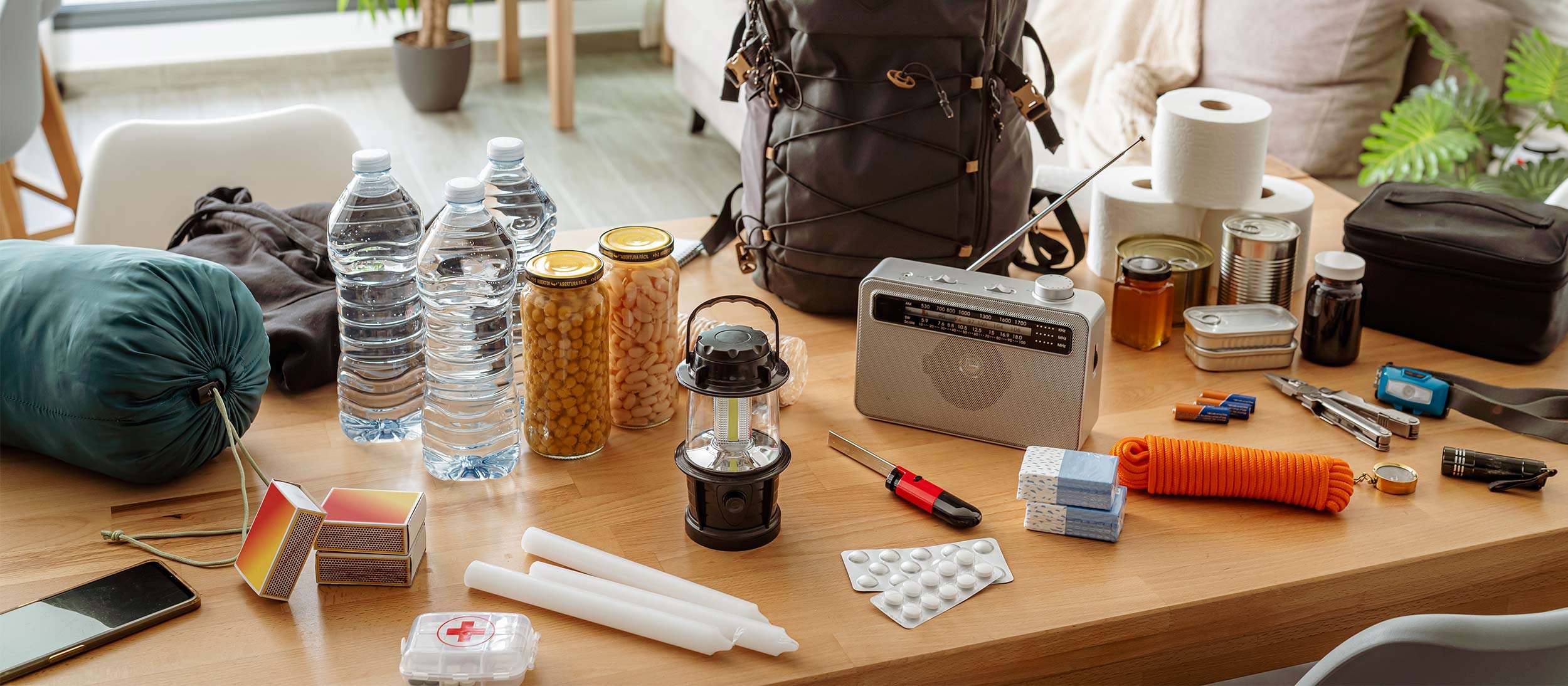
Disasters can happen anytime, anywhere, to anyone. Be prepared.
The frequency of catastrophic events continues to rise, making emergency readiness more important than ever. In a major disaster, essential services and emergency responders may be unavailable for several days. Taking proactive steps now can help protect your family, property and finances while potentially speeding up recovery after an event.
Be Prepared for Severe Weather
Preparation starts with staying informed about the types of emergencies that could impact your area and understanding how to respond. Create a family emergency plan and practice it regularly so everyone knows what to do in a crisis and consider taking CPR and First Aid training to build valuable life-saving skills.
Getting involved in community preparedness efforts can also help strengthen local resilience and support networks. Finally, review and update your emergency plans on a regular basis to ensure they continue to meet your family's needs and reflect any changes in your circumstances.
Basic Preparedness Checklist
Emergency Plans
- Develop and review a disaster plan with your family.
- Coordinate plans with neighbors and discuss how to help one another.
- Make arrangements for pets.
Food & Medical Needs
- Store plenty of bottled water.
- Stock nonperishable food, including pet food.
- Maintain at least a two-week supply of prescription and over-the-counter medications.
- Have a first aid kit available.
Power
- Keep your gas tank full or your electric vehicle charged.
- Charge cell phones and keep chargers accessible.
- Keep flashlights and extra batteries on hand.
- Consider a portable generator for essential power needs.
Build an Emergency Supply Kit
An emergency supply kit helps ensure your household can remain safe and self-sufficient during a crisis. Consider preparing:
- A home kit with supplies to shelter in place until help arrives.
- A portable "go bag" with essentials in case evacuation is necessary.
Customize your kits to meet your family's specific needs, including those of children, seniors, individuals with disabilities and pets. Store kits in easily accessible locations known to all household members and consider keeping additional kits in your vehicle and workplace. Review and update your supplies annually to replace expired items and ensure your needs are adequately covered.
Before a Severe Storm, Hurricane or Wildfire
If time permits:
- Trim weak tree branches.
- Secure or store outdoor furniture, grills, propane tanks, decorations and plants.
- Protect windows with storm shutters or plywood.
- Shelter vehicles if severe weather is expected.
Preparing in advance cannot prevent a disaster, but it can help you respond safely, reduce losses and recover more quickly.
Learn more:
This loss control information is advisory only. The author assumes no responsibility for management or control of loss control activities. Not all exposures are identified in this article. Contact your local, independent insurance agent for coverage advice and policy service.