Individuals & Families

About Us
Proudly One of America’s Best Insurance Companies
Learn More Claims
Claim Center
We're in the business of helping people, providing prompt and personal claims service when you need us the most.
Call 877-242-2544 anytime, day or night, to report claims. You may also contact your independent agent to report a claim.
Submit a Claim- Personal & Business ClaimsLearn More
- Life ClaimsLearn More
- Workers' Compensation ClaimsLearn More
Insurance Resources
Plan & Protect
Reduce risks and enjoy peace of mind with these tips and insights to protect what matters most.
Severe Weather
Individuals & Families
Insurance Insights
Essential Safety Tips for Lithium-Ion Batteries
Home
December 19, 2025
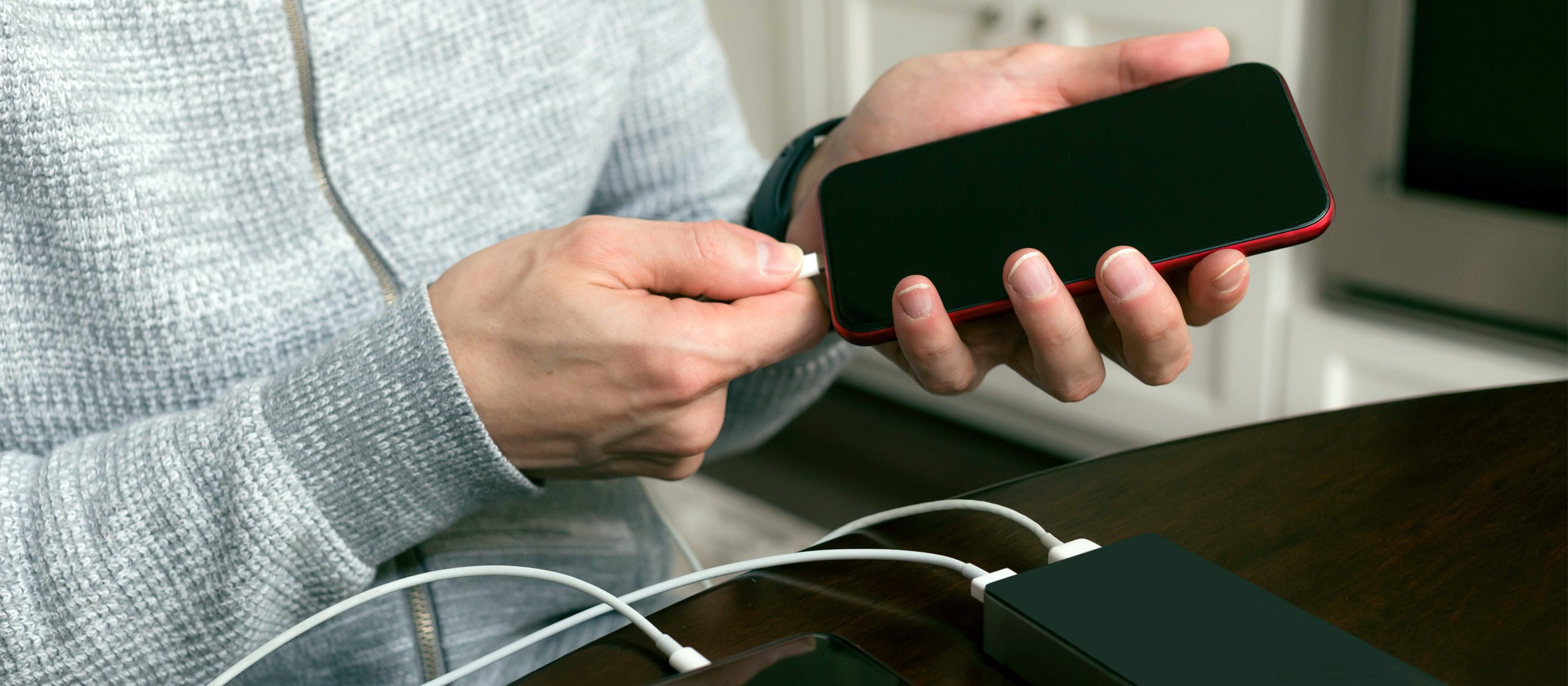
Understanding the common causes of lithium-ion battery fires.
Many of the devices we rely on every day, including the ones in our pockets, use lithium-ion batteries (LIBs). From smartphones to home smoke alarms, lithium-ion batteries power the devices we depend on, but if mishandled, they can turn into a dangerous fire hazard. With LIBs being so common, how do we protect ourselves and our homes from malfunctions?
Where Battery Fire Risks Occur
Lithium-ion batteries provide a boost of power in small sizes. However, the increased power being directed into a smaller space creates a greater risk of overheating and fire. While a number of overcharge protection features are built into these batteries and devices, proper storage, charging and disposal are critical to preserve battery life and to minimize risk.
Unapproved Charging Devices
One major hazard is using a non-manufacturer-approved charging device with your phone, tablet or laptop. Cheap, generic chargers are easy to find and tempting to use if the cord that came with your device is lost. However, while these generic chargers may be compatible with your device, compatible may not mean safe.
Different devices require different levels of charge. A generic charger runs the risk of putting too much charge into a device, causing the battery to overheat. Manufacturer-approved chargers are less likely to run this risk because they are made specifically for their own devices.
Other Causes of Battery Failure
- External heat, such as leaving a smartphone in the car on a hot day.
- Mechanical abuse, such as dropping or denting the phone.
- Manufacturing defects that result in product recalls.
Ways to Minimize Battery Fire Risk
- Keep batteries and devices at room temperature in a dry area.
- Plug your device directly into an outlet and avoid extension cords.
- Store and charge batteries away from anything flammable.
- Do not charge or store in sunlight or hot places.
- Do not let babies or animals chew on toys or products containing a LIB.
- Monitor your battery for any odors, odd noises or changes in shape or color.
- If you notice any of these conditions, immediately discontinue use. If safe to do so, move the device away from anything that can catch fire.
- Never charge devices overnight. Charge devices in short bursts rather than for extended periods of time.
- Place the device being charged on a hard, flat and noncombustible surface to allow for adequate ventilation.
- Don’t leave laptops, tablets or cellphones unattended on couches or beds or in areas where they might overheat and come into contact with flammable materials.
- Shut off battery-powered devices when not in use.
Disposing of Batteries and Products with Permanent Batteries
Many towns, municipalities and cities have allowed everyday batteries to be put in the regular household trash, but that is not the case with LIB’s. According to the Environmental Protection Agency, LIBs should be taken to a separate recycling or household hazardous waste collection point in your town. Due to the large amount of energy within the batteries, thousands of fires happen each year at waste sites because the batteries are crushed by machinery or they overheat. These fires are difficult to extinguish and put workers, firefighters and infrastructure in danger.
Find a Recycling Outlet
Many of the large home improvement stores, electronics retailers or battery and lightbulb stores offer to collect batteries for recycling. Mail-in services are available if you cannot find a recycling outlet near you. Find a recycling outlet near you.
This loss control information is advisory only. The author assumes no responsibility for management or control of loss control activities. Not all exposures are identified in this article. Contact your local, independent insurance agent for coverage advice and policy service.