Individuals & Families

About Us
Proudly One of America’s Best Insurance Companies
Learn More Claims
Claim Center
We're in the business of helping people, providing prompt and personal claims service when you need us the most.
Call 877-242-2544 anytime, day or night, to report claims. You may also contact your independent agent to report a claim.
Submit a Claim- Personal & Business ClaimsLearn More
- Life ClaimsLearn More
- Workers' Compensation ClaimsLearn More
Insurance Resources
Plan & Protect
Reduce risks and enjoy peace of mind with these tips and insights to protect what matters most.
Severe Weather
Individuals & Families
Insurance Insights
Take Care of Your Residential Fire Sprinkler System
Home
May 5, 2026
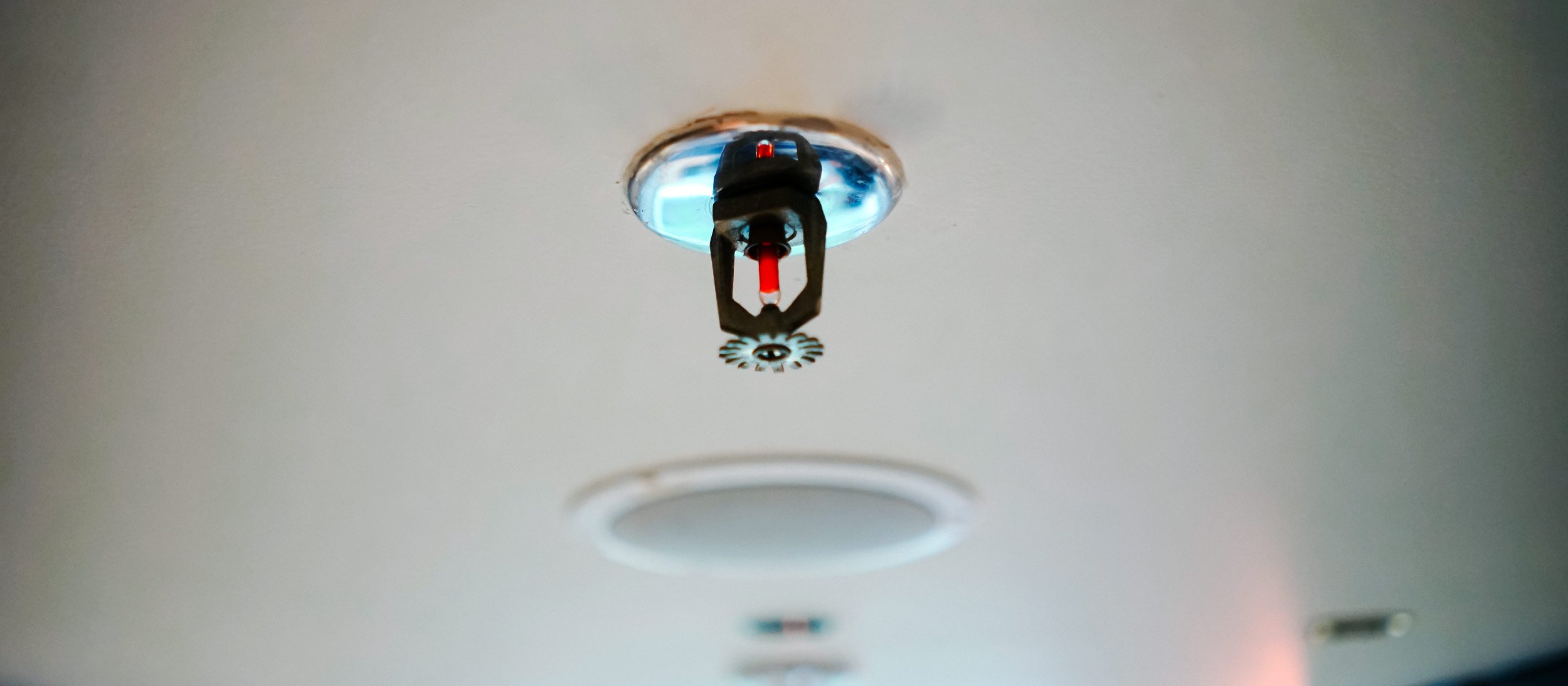
Inspection and ongoing maintenance are essential to keeping your system working effectively and protecting your home and family.
If your home is equipped with a fire sprinkler system, when was the last time you had it inspected or tested? Just like your HVAC, electrical, plumbing or roofing systems, a fire sprinkler system requires regular inspections, testing and maintenance. Ensuring a fire sprinkler system remains in good working order significantly reduces the risk of injury or death in a fire.
NFPA evaluated sprinkler system performance in a study completed on 49,840 fires in sprinklered buildings from 2010 to 2014. The report and fact sheet for the study can be found in the NFPA “U.S. Experience with Sprinklers.” The study found:
- The civilian death rates were 87% lower in properties with sprinkler protection than those without.
- In sprinklered properties, the injury rate was 27% lower for building occupants and 67% lower for firefighters.
Monthly Inspection Items for your Residential Fire Sprinkler System
- Check sprinkler heads for:
- rust
- missing, broken or painted sprinkler heads
- heads that have separated from the ceiling
- any obstructions such as furniture, storage, artwork or other décor that block the spray path of the sprinkler heads
- at least 18 inches of clearance below each sprinkler head
- visible signs of leaks, corrosion or damaged pipes
- An inspector will check the sprinkler riser for:
- accessibility, including clearing any nearby debris or birds’ nests
- good working condition of the entire system, including the water gong or bell
- a normal range on the pressure gauge, typically 70-150 PSI
Additional Steps to Help your Fire Sprinkler System Last
- properly winterizing it as you would a domestic water supply
- never hanging plants, clothing or other items from sprinkler heads or pipes
- having a qualified contractor inspect and test the system annually
Learn more about how to protect your home, your family and yourself by exploring the NFPA’s Home Fire Safety education page.
This loss control information is advisory only. The author assumes no responsibility for management or control of loss control activities. Not all exposures are identified in this article. Contact your local, independent insurance agent for coverage advice and policy service.