Individuals & Families

About Us
Proudly One of America’s Best Insurance Companies
Learn More Claims
Claim Center
We're in the business of helping people, providing prompt and personal claims service when you need us the most.
Call 877-242-2544 anytime, day or night, to report claims. You may also contact your independent agent to report a claim.
Submit a Claim- Personal & Business ClaimsLearn More
- Life ClaimsLearn More
- Workers' Compensation ClaimsLearn More
Insurance Resources
Plan & Protect
Reduce risks and enjoy peace of mind with these tips and insights to protect what matters most.
Severe Weather
Individuals & Families
Insurance Insights
Protect Your Home From Hail Damage
Home
June 25, 2026
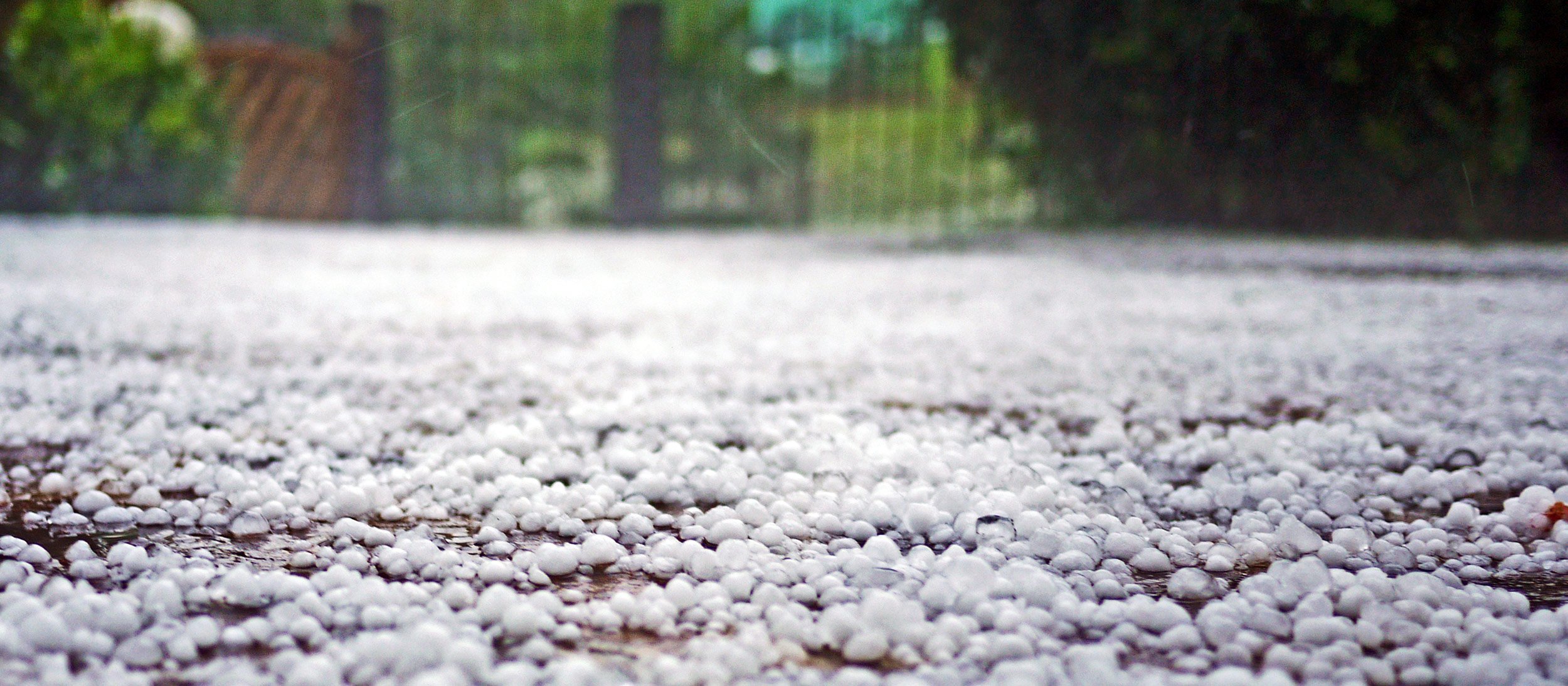
Hail can cause significant damage to homes and vehicles often with little warning. Understanding how hail forms, where it occurs and how to prepare, can help protect your property from extensive damage.
What is Hail?
Hail forms during severe thunderstorms when powerful updrafts carry raindrops upward into cold regions of the atmosphere. There, the drops freeze and grow into balls of ice known as hailstones before falling to the ground at speeds that can sometimes exceed 100 miles per hour. Hailstone range in size from a pea to a softball, and can cause damage to roofs, siding, skylights, windows and vehicles.1
Hail Risk Across the U.S.
While hailstorms can occur anywhere in the country, and during any season, they are most common in the Southwest, Great Plains and Midwest during the spring and summer months. Each year, hail is responsible for billions of dollars in property and crop losses nationwide.2
Tips to Reduce the Risk of Hail Damage Before a Storm
Consider storm shutters
Storm shutters can help protect windows and doors from shattering during severe weather.
Install a hail-resistant roof
While no roof is entirely hail-proof, impact-resistant materials such as synthetic slate, impact-resistant asphalt shingles and coated metal roofing offer added protection. Class 4 shingles can also help provide impact resistance from hail.
Inspect roof fixtures regularly
Skylights, vents and other roof components can become brittle over time. Routine inspections help identify concerns early.
Review your insurance coverage
Ensure you have adequate insurance coverage for your property and vehicle in the event of a hailstorm.
What to Do During a Hailstorm
- Stay informed by monitoring local weather alerts and news updates.
- Move indoors immediately and remain sheltered until the storm passes.
- Protect your vehicle by parking in a garage or carport, or by using a vehicle cover or layered blankets.
- Limit glass exposure by closing blinds and drapes. Stay away from windows and skylights.
- Avoid electrical hazards from corded phones, electronics and metal surfaces.
What to Do After a Hailstorm
- Secure damaged areas by covering broken windows or roof openings to prevent water intrusion and further damage.
- Contact our claims department 877-242-2544 or your independent agent as soon as possible to begin the claims process.
1National Severe Storms Laboratory
2 Billion-Dollar Weather and Climate Disasters | National Centers for Environmental Information (NCEI)
This loss control information is advisory only. The author assumes no responsibility for management or control of loss control activities. Not all exposures are identified in this article. Contact your local, independent insurance agent for coverage advice and policy service.